18 Jul Application of Renewable Energies in Residential Housing and Developments
I am going to set out on an exciting adventure that investigates the vast potential of renewable energy sources in converting private residences into carbon-neutral powerhouses. This is an all-inclusive resource that will help homeowners and enthusiasts adopt clean energy solutions and make a difference toward a more sustainable future. We explore the pressing need of residential property owners adopting renewable energy sources and moving away from fossil fuels. We look at how conventional energy production affects the environment, how renewable energy may help, and what kind of amazing possibilities they provide for households.
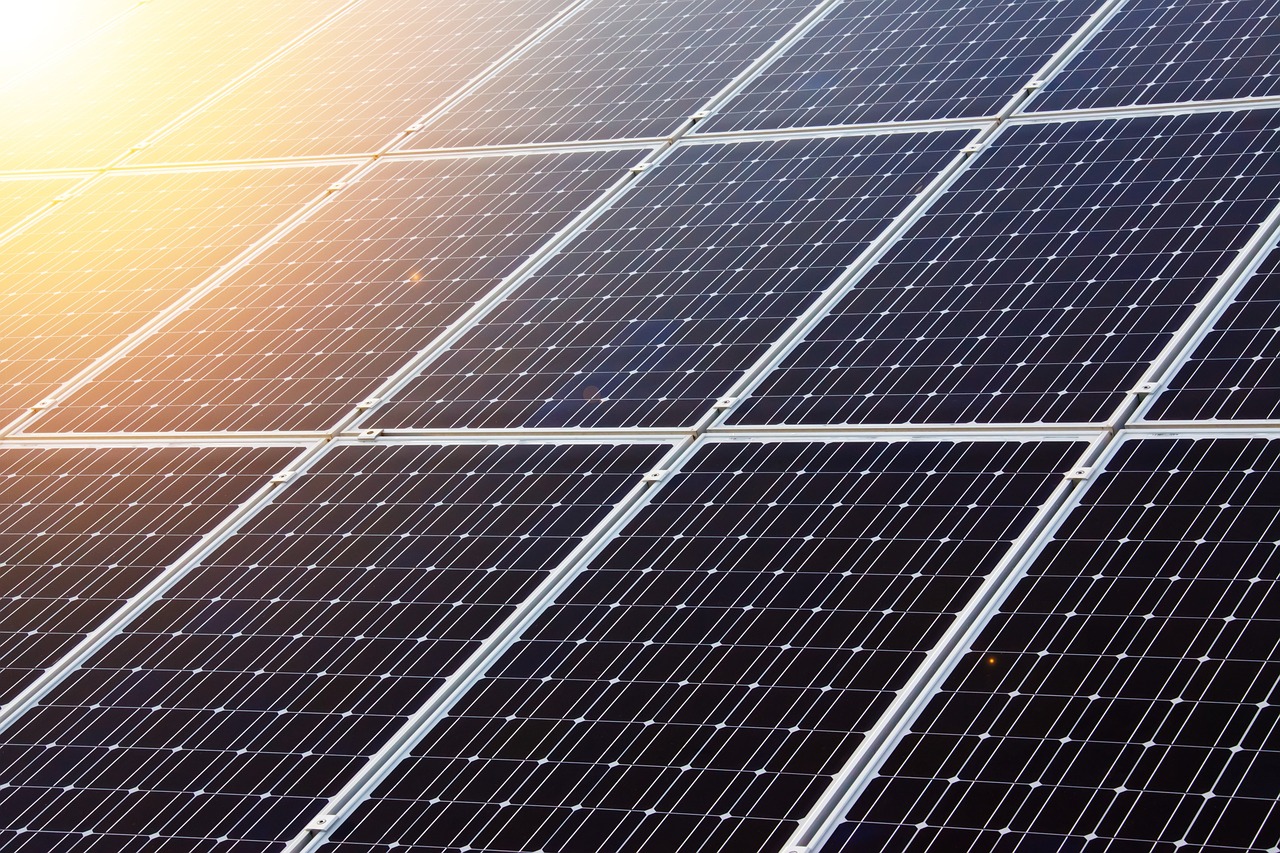
When it comes to transitioning to cleaner energy sources, solar power is first in line. The inner workings of photovoltaic systems, the components that make them up, and the method by which they are installed on roofs are all investigated. We talk about the money saving potential of solar electricity, as well as the tax breaks and other incentives offered by the government.
Using the wind’s energy is another practical choice for houses. The potential energy production, environmental factors, and the incorporation of wind power into residential landscapes are some of the topics we cover as we delve into the world of wind turbines and its many varieties.
Geothermal energy, a renewable resource, is readily available just below our feet. We delve into the idea of geothermal heating and cooling systems, their advantages, and the ways in which homes may use the Earth’s inherent heat to control interior temperatures in a cost-effective and environmentally friendly manner.
Materials often considered garbage may be converted into useful fuels. We explore into biomass and bioenergy, learning about how agricultural and forestry byproducts may be turned into useable energy. We cover the uses, advantages, and possible pitfalls of installing biomass systems in private homes.
Even on a little scale, water may be a useful tool in the production of energy. In this article, we’ll learn about micro-hydropower systems, how they work, and how they might be implemented on private land near running water. We also cover the regulatory concerns and environmental effects of installing micro-hydropower systems.
Energy storage that is both reliable and cost-effective is essential for making the most of renewable energy sources. We examine the global landscape of battery technology and other forms of energy storage and its function in maintaining a stable and constant supply of electricity. We go into the history of batteries, how to best care for them, and what the future holds for this and other forms of energy storage. We also evaluate how irrigation, insulation, and water efficiency affect society.
The potential for integrating tidal energy into coastal communities is enormous. The possibilities of tidal energy in coastal areas are discussed. We look at how localized energy production and resilience may work in tandem with residential areas and tidal energy infrastructure, as well as at design issues for coastal projects.
Wave energy integration is especially promising in coastal towns. This chapter looks at the mutually beneficial connection between human settlements and wave energy systems. We investigate the feasibility of incorporating wave energy projects into coastal developments in a way that is both aesthetically pleasing and functional. We also talk about the prospects for increasing energy independence, job growth, and community involvement.
In order to keep water and energy costs down, towns should think about installing batteries and implementing irrigation, insulation, and water efficiency systems.
Roberto Sanz / Green Energy Liaison