13 Nov SITE ASSESSMENT. SOLAR ENERGY IN RESIDENTIAL HOUSING AND DEVELOPMENTS
A needs analysis for solar energy in residential developments looks at the particular specifications and factors that are important for installing solar energy systems. Analyze the development’s residential units’ energy consumption trends. Examine utility statements and historical energy records to comprehend the demand profile and find prospective areas for enhancing energy efficiency. Determine the times of year when electricity demand is at its highest, such as the peak cooling and heating seasons in the summer. This makes it easier to properly size the solar energy system to handle peak demand and maximum energy savings.
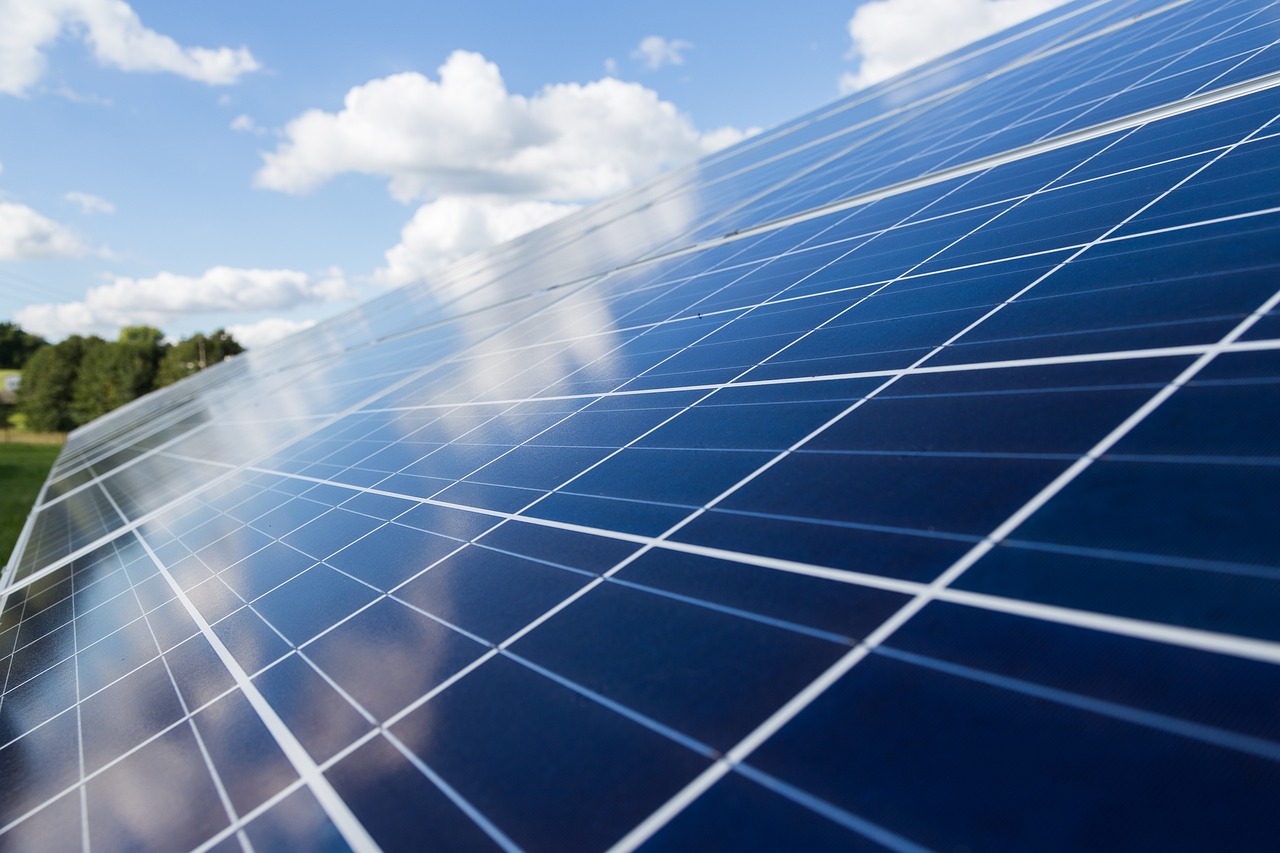
To measure the quantity of sunlight the residential development receives, perform a solar resource assessment. Take into account elements like physical obstacles, shading from nearby structures or trees, and the potential for solar energy generation. Examine the parts of the residential development that can incorporate solar panels, such as the roof space that is available. Examine the structural soundness of roofs to see whether any alterations or reinforcements are necessary.
Identify the up-front expenses related to building a solar energy system, including the cost of the equipment, the installation, the permit, and any required electrical changes. Get estimates from reliable solar contractors, then consider your financing alternatives. Compute the system’s expected financial returns during its expected lifespan, taking into account energy savings, potential net metering or feed-in tariff revenue, and any available tax breaks or incentives. Calculate the payback period and overall ROI to determine whether solar energy is financially viable for the development.
Recognize the zoning, permits, and interconnection specifications for solar energy systems in the vicinity of the residential development. Verify that all pertinent laws are followed, and note any potential challenges or limitations. Investigate and evaluate any financial assistance programs, grants, tax credits, or other incentives that the government or utilities are offering. Think about how these incentives can reduce up-front expenses and increase the viability of solar power.
Based on the energy requirements, available space, and budget of the residential construction, choose the right size and layout of the solar energy system. If required, take into account variables like battery storage options, inverter specifications, and panel efficiency. Analyze the frequency of cleaning, maintenance, and repairs needed for solar energy installations, as well as the associated expenses. Examine the alternatives for local warranties and service providers. Ask for comments and determine whether locals are interested in and willing to take part in solar energy initiatives. To enlighten households about the advantages, costs, and procedure for installing solar energy systems, conduct surveys or instructional workshops. Gain support and agreement on installing solar energy systems within the residential development by working with developers, homeowners’ groups, and other decision-makers.
Residential developments can determine the precise demands, difficulties, and opportunities related to using solar energy by completing a thorough needs assessment. Making informed decisions, coming up with custom solutions, and leveraging solar energy’s advantages in the domestic setting are all made easier with the aid of this assessment.
Roberto Sanz / Green Energy Liaison