05 Abr Environmental impact. Solar Energy in Residential Housing and Developments
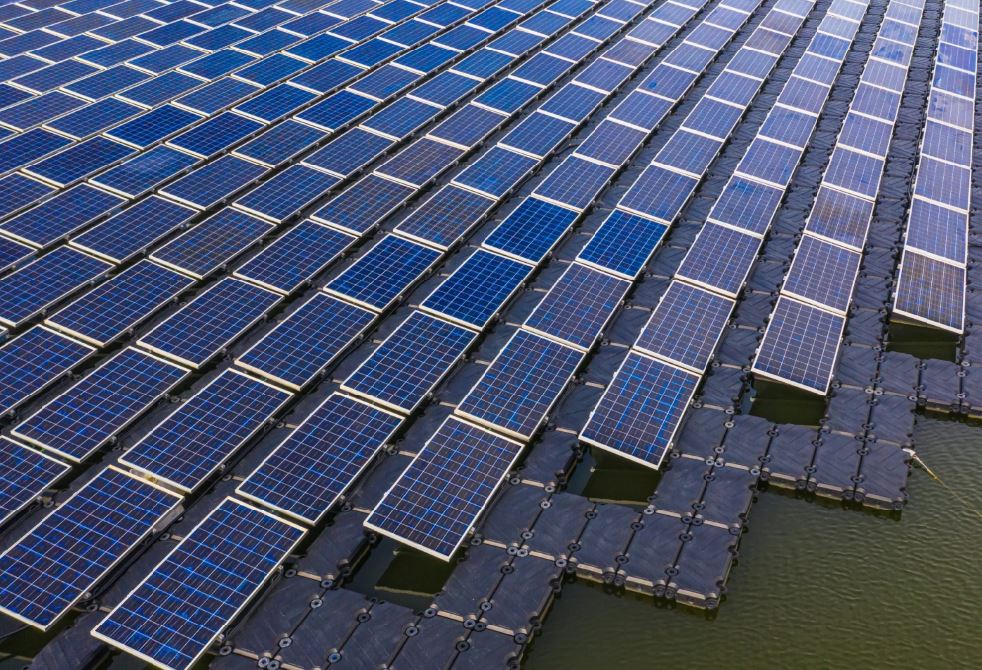
Compared to traditional energy sources, solar energy in residential constructions has a favorable environmental impact.
A clean and regenerative source of electricity is solar energy. Without producing greenhouse gases like carbon dioxide (CO2) or other pollutants, it generates power. Residential developments can dramatically lower their carbon footprint and aid in the fight against climate change by switching to solar power instead of fossil fuel-based electricity generation.
Solar energy makes use of the abundant and regenerative power of sunlight. Solar energy is almost endless in comparison to finite fossil fuel reserves, ensuring a sustainable and constant source of electricity for residential complexes. Communities may lessen their reliance on fossil fuels and advance a more sustainable energy future by embracing solar electricity.
Burning coal or natural gas, for example, releases pollutants into the environment, which causes air pollution and has detrimental impacts on human health. Due to the fact that solar energy generates no emissions while in use, it contributes to better local air quality by lowering the emission of dangerous pollutants like sulfur dioxide (SO2), nitrogen oxides (NOx), and particulate matter.
Contrary to traditional power plants, which rely on water for cooling and the production of steam, solar energy systems do not need water to generate electricity. Residential projects can help conserve water by using solar energy, especially in areas where there is a water shortage or a drought.
Rooftops and open areas are among the different types of property that can support the installation of solar panels. Residential constructions can maximize land use and reduce the demand for additional land resources by utilizing rooftops and existing constructed areas for solar energy generating. This promotes the preservation of ecosystems, agricultural land, and natural habitats.
Solar energy systems don’t make any noise when they’re in operation. Solar panels don’t make any noise when generating electricity, which improves the quality of life for locals better than traditional power plants or machinery.
Solar energy systems reduce the demand for long-distance electricity transmission by producing electricity locally. As a result, energy transportation transmission losses are decreased, increasing total energy efficiency and decreasing energy waste.
Residential developments that use solar energy show a dedication to sustainability and environmental management. It serves as a role model for other municipalities, encourages the use of renewable energy sources, and contributes to a more sustainable energy balance generally.
The production, installation, and end-of-life management of solar panels all have some environmental implications, despite the fact that solar energy has major environmental advantages. These concern the utilization of raw materials, the amount of energy used during production, the recycling of panels, and the proper disposal of faulty or outdated panels. However, technological developments and recycling initiatives strive to overcome these issues and lessen their environmental impact.
In general, solar energy in residential construction is essential for lowering greenhouse gas emissions, advancing renewable energy, and encouraging a more hygienic and sustainable environment for both the present and the future.
Roberto Sanz / Green Energy Liaison