05 Mar Maintenance. Solar Energy in Residential Housing and Developments
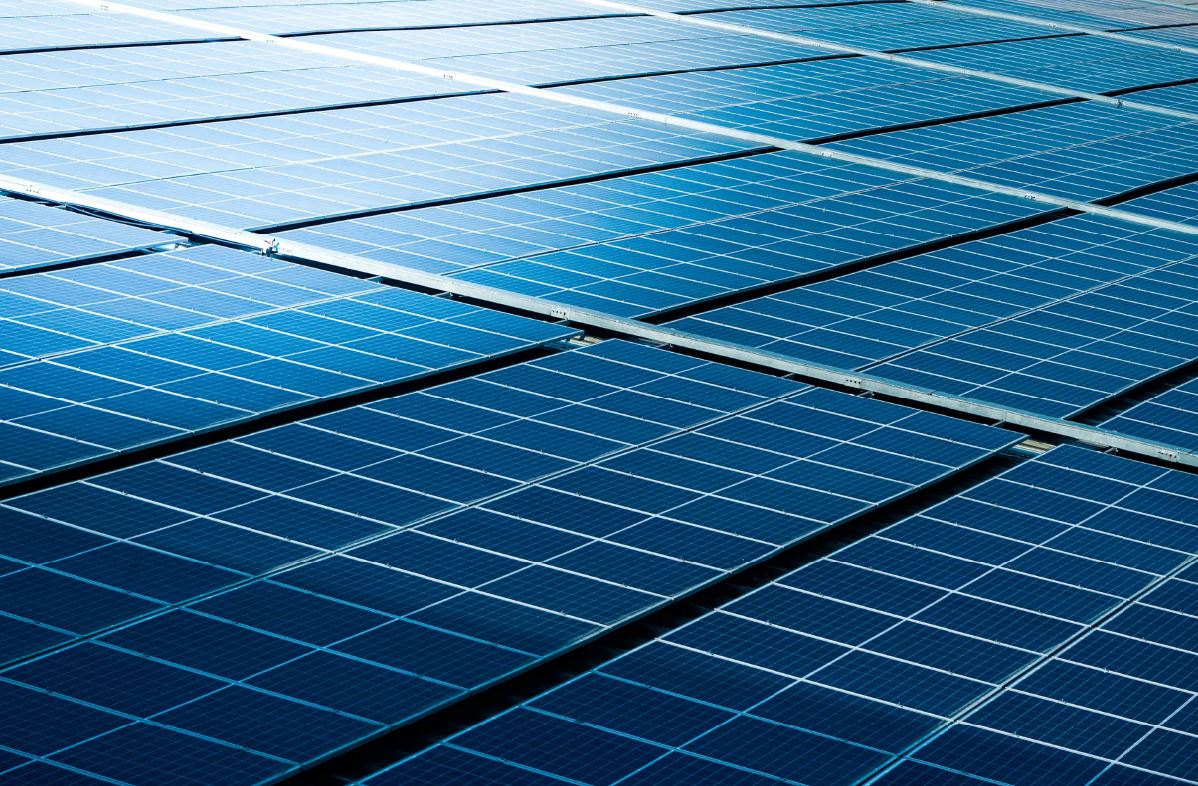
Residential developments with solar energy systems need to be maintained regularly to guarantee the best efficiency, safety, and longevity of the installations.
To find any indications of damage, wear and tear, or performance difficulties, conduct routine checks of the solar panels, mounting systems, wiring, inverters, and other components. Visual inspections and, if necessary, electrical testing, should be part of inspections.
Clean the solar panels on a regular basis to get rid of any dirt, debris, or other items that might collect there. Water, a soft brush, or specialist cleaning tools can all be used to do this. Observe the necessary safety precautions and use caution when operating at heights or using water close to electrical components.
Regularly check on the solar energy systems’ output and effectiveness. Keep tabs on the energy output and contrast it with what is anticipated or projected. This might assist in locating any underperforming panels or serious system issues.
A crucial part of solar energy systems are inverters. Look for any failure codes, strange behavior, or other malfunction-related indicators on the inverters. To avoid overheating, maintain appropriate airflow around the inverters and clean the cooling fans.
Make that the wiring, junction boxes, and electrical connections are safe and corrosion- and damage-free. System performance can be impacted by loose or faulty connections, which can also be dangerous. Replace damaged parts and tighten connections as necessary.
Trim any neighboring trees or plants that can obscure the solar panels, especially when the sun is at its strongest. The ability of solar systems to produce energy can be considerably reduced by shading.
Follow the manufacturer’s instructions for battery maintenance if the residential development includes energy storage equipment. In order to ensure correct charging and discharging cycles, periodic checkups, cleaning, and maintenance may be necessary.
Keep up with the most recent software and firmware changes for solar energy equipment. These upgrades frequently feature additional functionalities, bug fixes, and speed enhancements.
Keep track of all maintenance tasks, such as inspection summaries, cleaning schedules, fixes, and component replacements. This documentation can be used to keep track of system performance, warranty conditions, and historical context.
If you need assistance with complex maintenance activities or if you have any system problems that need specialized care, think about hiring a certified technician or speaking with a professional solar maintenance agency.
It is crucial to follow the maintenance instructions provided by the manufacturer, as they may change based on the type and name of the solar energy system that is installed. Regular upkeep and prompt repairs can enhance energy production, increase equipment longevity, and guarantee the long-term advantages of solar energy for the residential development.
Roberto Sanz / Green Energy Liaison