15 Ago Needs and goals. Solar Energy in Residential Housing and Developments
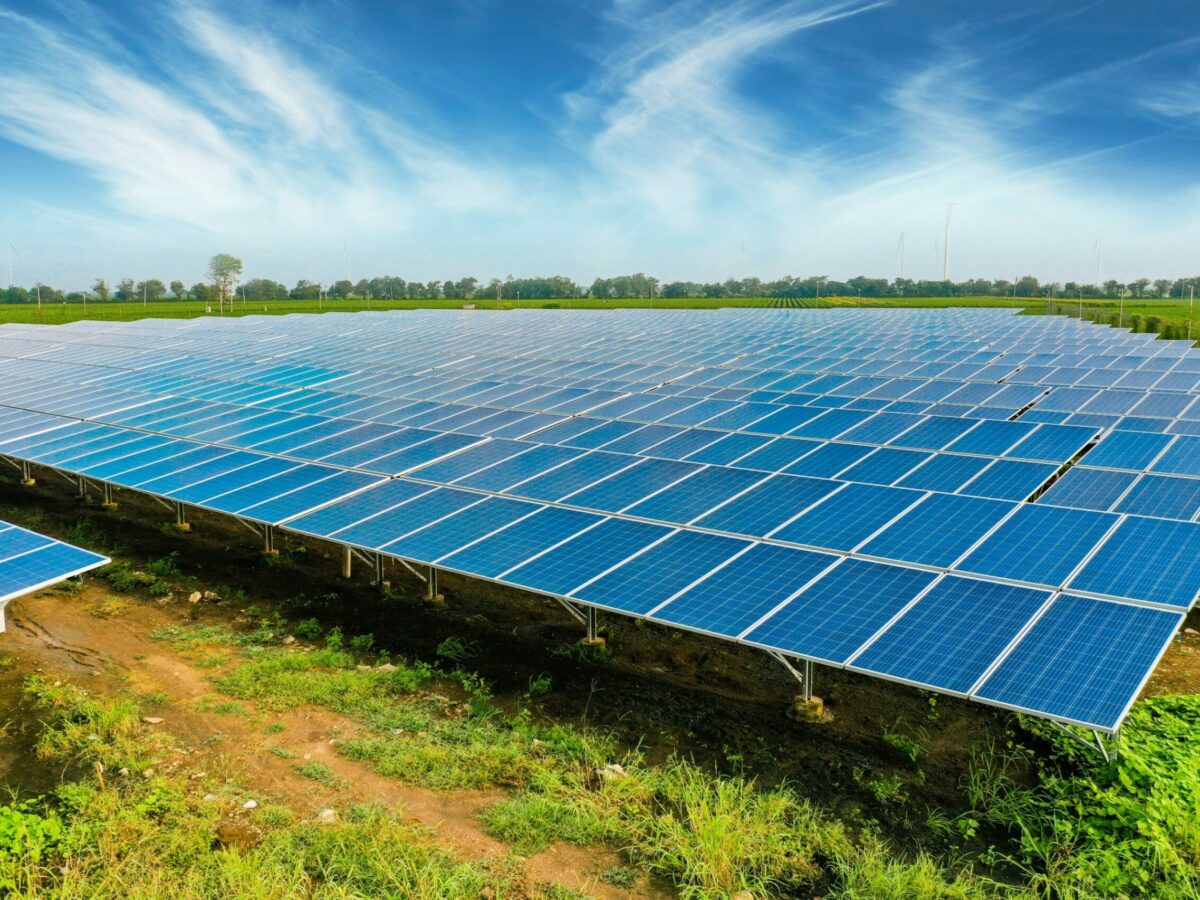
Fossil fuels are limited resources that cause climate change and greenhouse gas emissions; solar energy helps minimize our reliance on them. Residential developments with solar panel installations enable residents to produce their own clean, renewable electricity.
Homeowners can drastically lessen their dependency on the grid by producing their own electricity using solar panels, which will result in cheaper monthly electricity bills.
The normal lifespan of a solar energy system is between 25 and 30 years. Homeowners can benefit from decades of free or greatly reduced-cost electricity after the original investment is recovered.
Solar energy offers homes some security against rising electricity costs as energy prices continue to grow over time. When used in conjunction with battery storage devices, solar panels can offer a dependable source of electricity during blackouts. This improves energy resilience and guarantees that critical systems and appliances continue to function. Solar power generates little greenhouse gas emissions and is a clean source of electricity. Residential projects can aid in lowering carbon dioxide emissions and tackling climate change by adding solar panels.
Solar energy use enhances the reputation of the residential development and its occupants by demonstrating a commitment to sustainable practices and environmental responsibility.
Many countries offer financial incentives, such as tax credits, grants, and rebates, to encourage the use of solar energy. With the aid of these incentives, homeowners are better able to afford solar installation.
Solar energy use in residential constructions is encouraged by renewable energy targets or requirements in some locations. Regulations for new construction projects may include requirements for compliance with these targets.
Residential properties may become more appealing if they have solar panels, especially to eco-aware buyers. In the real estate industry, installing solar energy systems can set developments apart and even raise property values.
Homeowners can learn about the advantages of renewable energy and support a culture of sustainable living by incorporating solar energy into residential buildings. This may raise awareness and promote wider adoption of renewable energy technologies.
Residential constructions can meet the need for clean, reasonably priced, and dependable energy while also advancing sustainability objectives by using solar energy.
Roberto Sanz / Green Energy Liaison