
13 Dic SIZE AND CAPACITY. SOLAR ENERGY IN RESIDENTIAL HOUSING AND DEVELOPMENTS
A number of variables, such as energy usage, space constraints, financial constraints, and personal preferences, can affect the size and capacity of solar energy systems in residential constructions.
To determine the typical monthly and yearly energy use of the residential units within the development, review previous electricity bills. This is a starting point for figuring out how big the solar energy system should be. To lower overall energy consumption, think about putting in place energy-saving measures like LED lighting, energy-efficient appliances, and insulation modifications. A smaller solar system may be needed if energy demand is reduced.
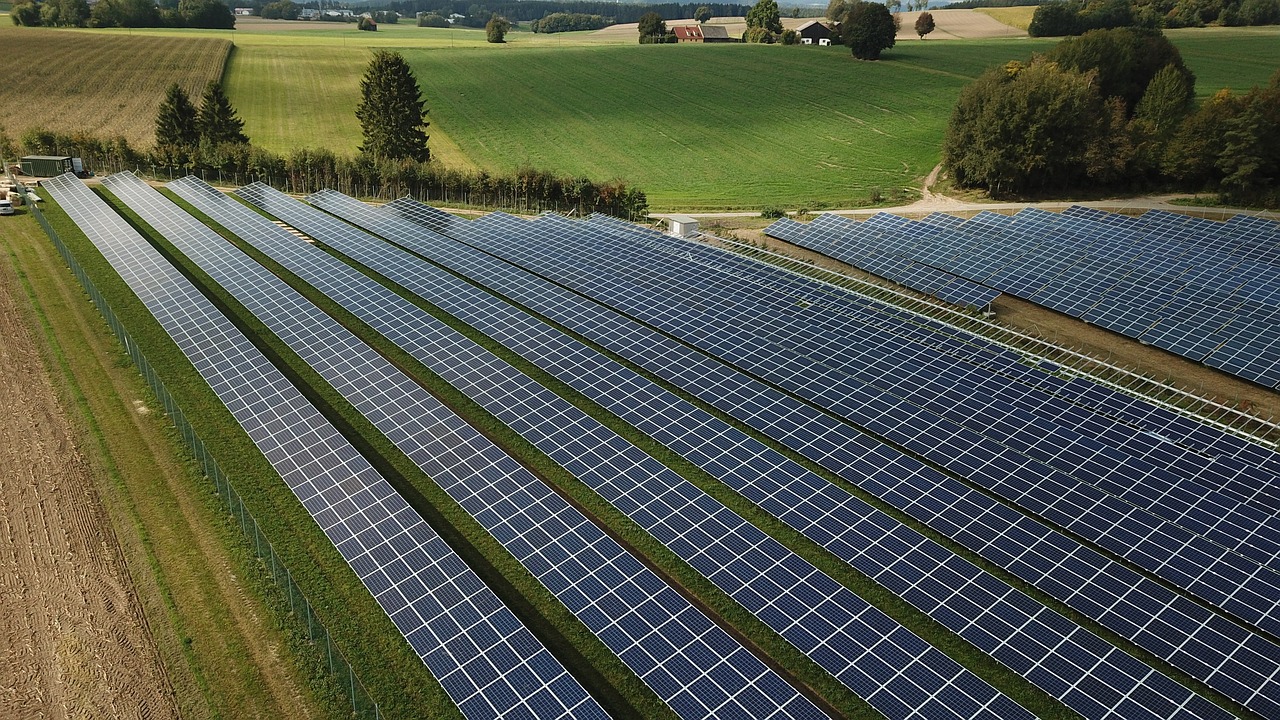
Analyze the rooftop space that is accessible for the installation of solar panels. The area of the roof that can hold solar panels will determine the size of the solar energy system, taking into account elements like shade, obstructions, and structural strength. Consider the viability of ground-mounted devices in open sections of the residential complex if rooftop space is scarce or inappropriate. The size and capacity of ground-mounted systems can be adjusted based on the amount of available area. Think about your ideal amount of solar energy offset or energy independence.
Homeowners may strive to reach net-zero energy status or offset a certain amount of their energy consumption. Establish the available budget for solar energy installation. The amount of money allocated to the project will determine the system’s size and capacity. It’s crucial to strike a balance between spending limits and energy goals.
Different solar panel efficiency ratings have an impact on their power output. A lower physical footprint or greater energy production within the given space is possible with higher efficiency panels since they can produce more electricity per unit area.
The size or capacity of solar energy systems in residential buildings may be subject to municipal rules or limits. Make sure all building and zoning regulations are followed. Incentives, subsidies, tax credits, and net metering programs should all be evaluated in order to see how they can affect the financial sustainability of larger solar energy installations. Higher capacity can be encouraged and larger installations’ costs can be compensated by these incentives.
Take into account the possibility of the solar energy system expanding in the future. Designing a system with scalability in mind can support future energy needs if increased energy consumption is anticipated as a result of planned expansions or changes in lifestyle.
Residential developments should tailor the size and capacity of solar energy systems to the unique needs and goals of homeowners as well as the available resources. Homeowners can establish the proper system size by consulting with solar energy experts, taking into account energy use, available space, and budgetary factors.
Roberto Sanz / Green Energy Liaison