30 Jun Solar Energy: Characteristics, Benefits, and Applications
Solar energy is a clean, plentiful, and renewable source of power that is produced from the sun’s heat and radiant light. Solar energy has become a practical answer as the world struggles with the pressing need to switch to sustainable energy systems. This essay examines the features, advantages, and various uses of solar energy, emphasizing its potential to fundamentally alter the world’s energy system.
A compelling energy source, solar energy is characterized by a number of essential traits.
The sun is a rich source of energy, with continuous solar energy hitting the Earth’s surface of about 173,000 terawatts. Even a small portion of this potential may be used to satisfy the world’s energy needs.
Solar energy is sustainable since the sun constantly renews it. It provides a long-term replacement for exhaustible fossil fuels while easing environmental concerns and cutting greenhouse gas emissions.
Various parts of the world, including remote and off-grid communities, have access to solar energy. Even places with sparse infrastructure can benefit from solar electricity with the correct technology.
Solar energy systems can be built in a variety of sizes, from modest residential installations to enormous solar farms. Customized applications and integration into existing infrastructure are made possible by this flexibility.
Numerous advantages of solar energy lead to a more resilient and sustainable energy future.
Electricity is produced by solar energy without the release of pollutants or dangerous greenhouse gases. It lessens air pollution, protects natural resources, and aids in the fight against climate change. Solar energy diversifies the energy mix, lessening reliance on imported energy and fossil fuels. It improves energy security and reduces geopolitical dangers brought on by conflicts over resources.
The cost of solar energy has substantially decreased over time, making it more competitive with traditional energy sources and more accessible. Solar energy investments may result in long-term electricity bill savings. Numerous jobs are generated by the solar business in a variety of industries, including production, installation, maintenance, and research. The use of solar energy boosts regional economies and encourages creativity.
Solar energy is used in a wide range of industries, altering the way we produce electricity and meet our energy needs.
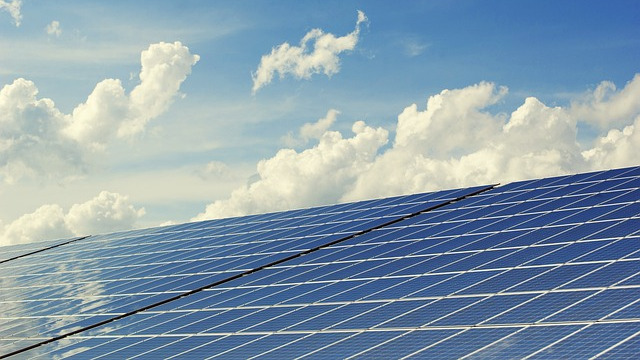
Solar energy is directly converted into electricity using photovoltaic (PV) devices. For residential, commercial, and industrial uses, clean electricity is produced via solar panels mounted on rooftops, solar farms, and utility-scale power plants. Solar thermal systems lessen the need for traditional water heaters by using sunshine to heat water for household and commercial use. In hot climes, solar-powered air conditioning systems deliver cooling while using less energy and money. Infrastructure for charging electric vehicles (EVs) uses solar energy. EVs with integrated solar panels and solar-powered charging stations help promote sustainable transportation and cut carbon emissions. Desalination facilities driven by solar energy use solar energy to transform saltwater into freshwater, a solution to the water shortage in arid areas. Millions of people throughout the world could have clean drinking water because to this application.
By granting access to electricity, solar energy helps communities in isolated or impoverished places. Off-grid solar systems, such solar lights and residential systems, raise standards of living in the fields of education, healthcare, and general welfare.
For a world that urgently needs to make the switch to renewable energy sources, solar energy is a durable, clean, and flexible energy solution. It is a desirable solution in a variety of areas due to its quantity, accessibility, and multiple advantages. Solar energy has the ability to transform our energy system, reducing climate change and building a more sustainable future for future generations, with continued technological developments, supportive legislation, and increasing awareness.
Roberto Sanz / Green Energy Liaison