02 Ago Solar Energy in Residential Housing and Developments
A long history of several centuries has gone into the creation of solar energy. Ancient cultures like the Greeks and Romans built their structures to absorb solar heat during the day to keep them warm at night. Reflective surfaces were also employed by early civilizations to focus sunlight for heating and cooking.
A French physicist named Alexandre Edmond Becquerel discovered the photovoltaic effect, or the method of turning sunlight directly into electricity, in 1839. Early solar cells had a very poor efficiency, though. Solar water heaters became more common in the latter part of the 19th century. These devices heated water for domestic and commercial usage using solar energy. Solar steam engines, which utilised concentrated solar power to generate steam and power machinery, were created in the late 19th and early 20th centuries.
The space industry was a major force behind the development of photovoltaic technology in the 1950s and 1960s. Satellites and spacecraft were powered by solar panels, which increased their efficiency and dependability. The first usable silicon solar cell was created by researchers at Bell Labs, which was a significant development. These cells, which were more effective than earlier models, served as the basis for contemporary solar panels.
Governments and researchers all over the world started concentrating increasingly on solar energy as a potential replacement for fossil fuels in the 1970s, amid oil crises and escalating environmental concerns.
Several nations introduced laws and incentives, like as feed-in tariffs and tax credits, in the 1980s and 1990s to encourage the use of solar energy. These actions encouraged the expansion of the solar industry.
Efficiency, production methods, and cost reduction of solar cells have all seen substantial improvements over time. Globally, the installation of solar photovoltaic (PV) systems has increased quickly as a result.
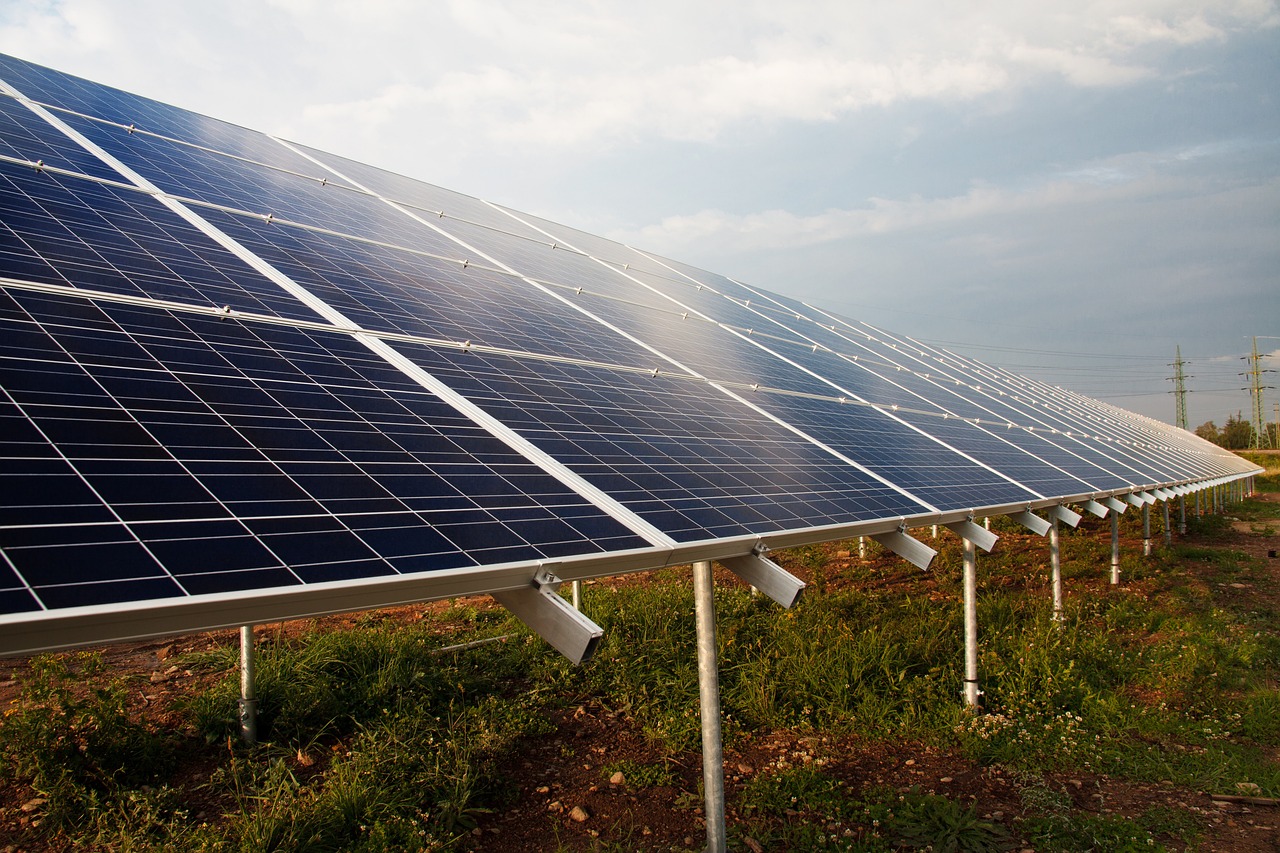
Large-scale solar power plant building, particularly for photovoltaic farms, has significantly increased recently. Massive amounts of power are produced by these plants, which add to the total energy mix. Mirrors or lenses are used in concentrated solar power (CSP) plants to focus sunlight, which creates heat that powers turbines and creates electricity. Large-scale CSP plants have being constructed all around the world.
Solar panels are now frequently seen on the rooftops of industrial, commercial, and residential structures. Solar components are included into the building materials themselves with building-integrated photovoltaics (BIPV). The use of solar energy in the transportation industry is growing. To lessen reliance on fossil fuels, solar-powered electric cars (EVs) and solar charging infrastructure are being created. To increase effectiveness, lower costs, and broaden the applications of solar energy, researchers are still investigating new substances and technologies, such as solar paint and perovskite solar cells.
Technology improvements, enabling laws, and escalating environmental concerns have all contributed to the continued growth of solar energy, which has become increasingly popular as a renewable energy source.
Roberto Sanz / Green Energy Liaison