15 Ene System design and equipment selection. Solar Energy in Residential Housing and Developments
For best performance and compatibility, system design and equipment selection for solar energy in residential complexes must take into account a number of crucial factors. To assess the size of the solar energy system required, analyze the historical energy consumption trends of the residential units. Take into account future energy needs, seasonal changes, and times of high demand. Determine the overall solar energy system capacity needed to meet the energy demand. Here, considerations like available roof or ground space, panel efficiency, and anticipated solar resource availability are taken into account.
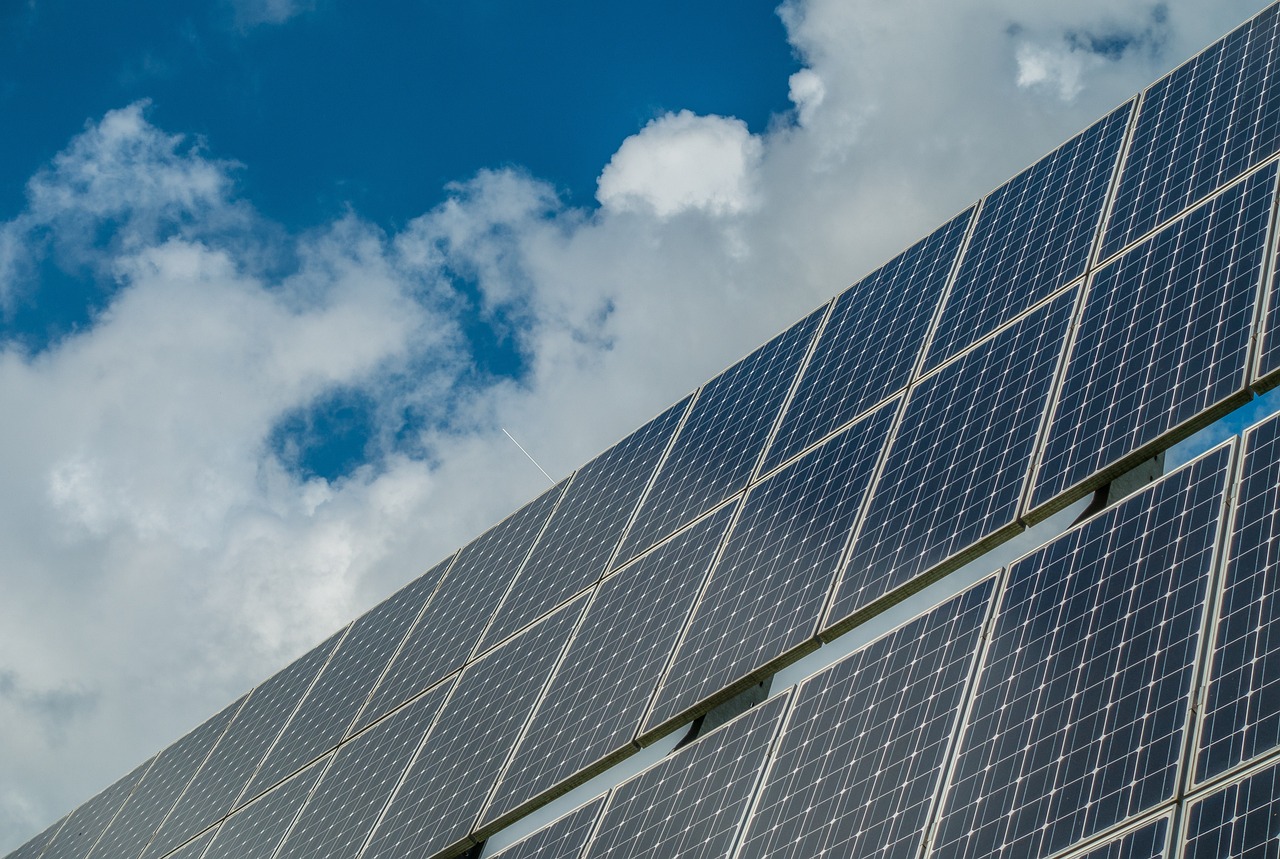
Based on aspects including efficiency, aesthetics, and budget, choose the right type of solar panel, such as monocrystalline, polycrystalline, or thin-film. To maximize energy output, take into account recent technological developments and improvements in solar panels. Consider the panel’s wattage, temperature coefficient, deterioration rate, and warranty while evaluating its parameters. Greater energy generation in a constrained space might be possible with higher wattage panels.
Depending on the system design, pick an appropriate inverter type, such as a string inverter, a microinverter, or a power optimizer. Think about things like compatibility with the chosen solar panels, shading tolerance, monitoring capabilities, and efficiency. Consider the inverter’s power rating, maximum DC input voltage, and efficiency while evaluating its parameters. Make sure the inverter can manage the entire system’s capacity and accommodate any required future increases.
Determine whether you need battery storage to backup your grid during outages or to store excess solar energy for later usage. Based on your goals for energy storage and the level of energy resilience you want, calculate the necessary battery capacity. Based on aspects including effectiveness, lifetime, cycle life, and maintenance needs, choose the best battery technology, such as lithium-ion or lead-acid. Examine compatibility with the chosen inverter and potential future growth.
To safely install solar panels on rooftops or ground-mounted systems, select a dependable and long-lasting mounting mechanism. Think about things like installation simplicity, structural soundness, compatibility with the chosen panels, and site conditions. To maximize solar energy production, consider the tilt angle, orientation, and panel spacing. Take into account any aesthetic needs as well as the local wind and snow loads.
Choose a monitoring and control system to keep tabs on the solar energy system’s performance in real time. Homeowners can monitor energy production in this way, identify any problems, and improve system performance. Take into account the availability of monitoring tools or platforms that offer in-depth perceptions of energy generation, consumption, and system health. Select a solution that offers user-friendly data visualization and caters to the interests of the homeowner.
Throughout the design and installation process, make sure local electrical guidelines, rules, and safety requirements are being followed. For electrical work, hire qualified personnel and secure the required licenses. Choose products from reliable producers who offer warranties and adhere to industry norms and certifications. Thus, product dependability and support are guaranteed.
Working with knowledgeable solar energy experts or contractors that can assist homeowners with the system design and equipment selection processes is vital. They may offer knowledgeable counsel, carry out thorough site evaluations, and assist homeowners in selecting the best parts for their home’s solar energy system.
Roberto Sanz / Green Energy Liaison