02 Jul Wave Energy: Characteristics, Benefits, and Applications
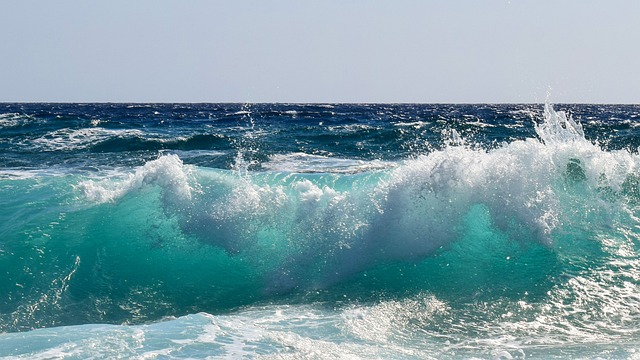
The kinetic energy contained within the motion of ocean waves is a promising and potentially enormous renewable energy source. The kinetic energy of the ocean’s waves is captured and transformed into usable power. This paper examines the properties, advantages, and varied applications of wave energy, emphasizing its potential to aid in the transition to a low-carbon energy future.
Several important features of wave energy make it a promising option for power generation. Ocean waves are always moving and generating energy because they are propelled by the wind and the tides. Because of their regular structure, waves provide a sustainable and foreseen source of power. There is an enormous quantity of wave energy in the oceans, giving them a potentially infinite source of power. To ensure widespread availability of this renewable energy source, wave energy may be captured in coastal areas everywhere in the world. Waves have a high energy density, which means they pack a lot of power into a little space. Wave energy has the potential to be an efficient power source due to its high energy density.
It is possible to construct wave energy infrastructure so that it blends in with coastal environments. Wave energy converters, such buoys or submerged devices, are often placed offshore and have minimal visual impact on the shoreline.
There are several ways in which wave energy might help ensure a safe and secure energy future. There are no indirect emissions of greenhouse gases or air pollutants from wave power generating. It helps lessen the environmental damage caused by traditional power plants and lowers our dependency on fossil fuels. Waves have a regular and predictable rhythm, making them a reliable source of energy. In comparison to other renewable energy sources like wind and solar, which are not always available, wave energy may provide a steady stream of electricity.
Using wave power instead of imported fossil fuels will increase national and global energy independence and security. In order to lessen their reliance on fossil fuels, coastal areas can harness the power of the ocean’s waves. The construction and maintenance of wave energy facilities has the potential to boost regional economies and provide new employment opportunities. Wave energy projects create jobs all around the economy, from production and installation to continuing maintenance and operation.
Wave power may be used in many different contexts and can help meet many different types of energy demands. Technologies such as oscillating water columns, point absorbers, and overtopping devices may harness the power of waves and turn them into electricity. Wave energy converters are devices that use the kinetic energy of waves to power machinery or generate electricity. Coastal defense and wave energy generation are two complementary applications. Wave energy converters can reduce coastal erosion and safeguard fragile shorelines by capturing and dispersing wave energy. Offshore infrastructure including oil and gas platforms, desalination plants, and research stations can be powered by wave energy. When used in offshore settings, these applications lessen the need for fossil fuels. Remote coastal villages and islands may be able to benefit from clean, reliable electricity supplied by wave energy. Diesel generators, which are both costly and harmful to the environment, are a common source of electricity in these regions. Integrating wave energy with other renewables like wind and solar is possible. The integration of various sources helps to smooth out the fluctuations caused by their intermittent nature, resulting in a more reliable power supply.
There are several advantages to using wave energy, as it is a renewable resource that is both clean and reliable. It provides a steady stream of electricity, helps the country become more energy independent, and cuts down on harmful pollutants. The entire potential of wave energy as a crucial component of the worldwide renewable energy portfolio can only be unlocked via further research, technical breakthroughs, and supporting regulations.
Roberto Sanz / Green Energy Liaison