02 Jul Wind Energy: Characteristics, Benefits, and Applications
Utilizing the kinetic energy of the wind to generate electricity, wind energy has emerged as a prominent source of renewable power. Wind energy provides a viable alternative to fossil fuels due to its abundance and sustainability. This essay examines the characteristics, advantages, and diverse applications of wind energy, emphasizing its potential to alter the global energy landscape.
Wind is an essentially limitless resource that is accessible in a variety of global regions. It is continually replenished by natural weather patterns, guaranteeing a steady supply of energy.
Wind energy is renewable because solar radiation and Earth’s rotation perpetually renew wind currents. During operation, it generates no greenhouse gas emissions or air pollutants, contributing to a cleaner environment. Wind energy initiatives can range in size from small turbines for single-family homes to vast wind farms with dozens of turbines. This scalability permits tailored implementations based on energy requirements and available space.
Wind energy complements other renewable energy sources frequently. For instance, wind patterns tend to be stronger during the day, when solar energy generation is at its zenith, creating a synergy between power generation and grid stability.
Numerous advantages of wind energy contribute to a more sustainable and resilient energy future. Wind energy reduces greenhouse gas emissions and contributes to climate change mitigation. By displacing electricity generation from fossil fuels, wind power contributes to clearer air and a more sustainable environment. Utilizing wind power decreases reliance on imported fossil fuels and increases energy independence. This diversification increases energy security and decreases sensitivity to price fluctuations and geopolitical tensions.
The wind industry creates jobs throughout the entire value chain, from manufacturing and construction to operations and maintenance. Wind energy initiatives stimulate local economies and advance research and development.
The cost of wind energy has decreased dramatically over the past decade, making it increasingly competitive with conventional energy sources. Continued technological advancements and economies of scale enhance the cost-effectiveness of the product.
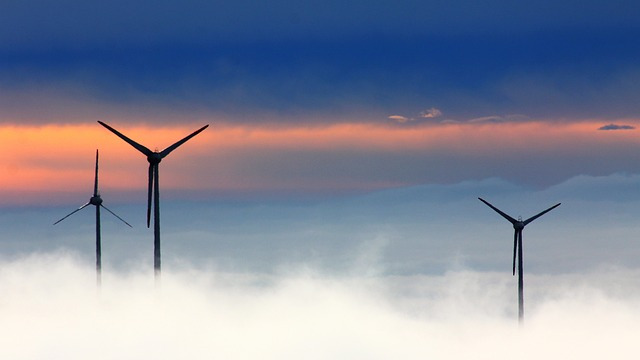
Wind energy has applications in numerous industries, revolutionizing the way we generate electricity and satisfy our energy needs. Through the rotation of their blades, large wind turbines, which are frequently clustered in wind farms, convert wind energy into electricity. This electricity can power households, businesses, and industries, reducing reliance on conventional power sources and contributing to the grid.
Offshore wind fields, located in coastal or offshore waters, take advantage of wind resources that are stronger and more consistent. Offshore wind has significant potential for large-scale electricity production, with minimal visual impact and enhanced efficiency.
Wind energy can be combined with other renewable sources such as solar or hydroelectric power to form hybrid systems. These hybrid systems optimize power generation based on the availability of resources to provide a more stable and dependable energy supply.
Wind energy provides an independent power supply in remote locations or islands with limited access to grid infrastructure. Off-grid communities can be supplied with energy by installing small-scale wind turbines to power residences, schools, and healthcare facilities. Windmills have been used to circulate water in rural and agricultural areas for centuries. Wind energy can also be used to power desalination facilities, which convert saltwater to freshwater and alleviate water scarcity issues in coastal areas.
Wind energy is a prospective renewable energy source, as it is abundant, clean, and scalable. Its numerous advantages, which include carbon emission reduction, energy independence, job creation, and competitive pricing.
Roberto Sanz / Green Energy Liaison